

Composition is one of the most fundamental aspects of visual storytelling in filmmaking. It determines how elements are arranged within a frame to guide the audience’s eye, evoke emotions, and enhance the overall narrative. While composition has foundational rules that help create visually compelling images, knowing when to break these rules can be just as important. Let’s explore the key principles of shot composition and how filmmakers can use them effectively.
One of the most well-known composition techniques is the Rule of Thirds. This rule divides the frame into a 3×3 grid, creating nine equal parts. By placing important subjects or points of interest along these grid lines—or even better, at the intersections—filmmakers create more balanced and visually engaging shots.

Why It Works:
- It creates a natural focal point.
- It makes compositions feel dynamic rather than static.
- It aligns with how our eyes naturally scan images.
When to Break It:
While the Rule of Thirds is a reliable guide, breaking it can create unique and intentional effects. Centering a subject, for instance, can generate a sense of symmetry, stability, or isolation, which is often seen in films by directors like Stanley Kubrick or Wes Anderson.
Balance and Symmetry: Visual Harmony in Frame
Balance in composition refers to how visual elements are distributed within the frame. A well-balanced shot ensures that no part of the frame feels too heavy or too empty, unless done for artistic reasons.

Types of Balance:
- Symmetrical Balance: A subject is centered, and both sides of the frame mirror each other. This is commonly used to create a sense of order, power, or surrealism (e.g., Kubrick’s “The Shining” hallway scenes).
- Asymmetrical Balance: Elements are placed off-center but still feel visually balanced. This approach often creates a more dynamic and natural composition, often used in dramatic storytelling.
When to Break It:
Unbalanced compositions can be used deliberately to create unease, tension, or chaos. Horror films, thrillers, and psychological dramas frequently employ unbalanced frames to evoke discomfort.
Leading Lines: Guiding the Viewer’s Eye
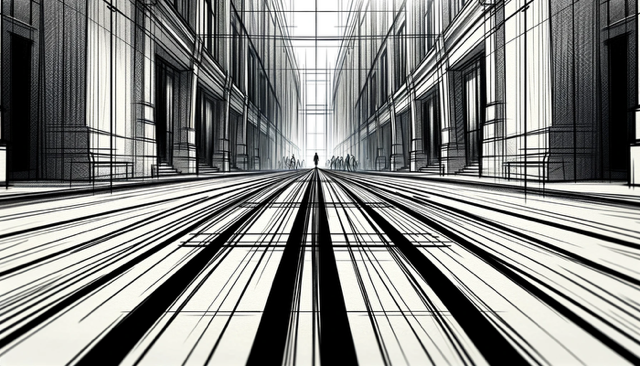
Leading lines are natural or artificial lines in a scene that draw the viewer’s eye toward a specific point in the frame. These can be roads, bridges, staircases, shadows, or even the gaze of a character.
Why It Works:
- It creates depth and perspective.
- It subtly directs attention without obvious emphasis.
- It enhances movement and flow within a scene.

When to Break It:
Deliberately breaking leading lines or placing them in misleading ways can create disorientation, confusion, or mystery—perfect for dream sequences or abstract storytelling.
Depth and Layering: Making the Frame Feel Alive
Flat compositions can make a shot feel uninteresting, while depth adds realism and engagement. Cinematographers achieve depth by using foreground, midground, and background elements to create a multi-dimensional space.
Techniques to Enhance Depth:
- Overlapping elements: Positioning objects in different planes.
- Shallow focus vs. deep focus: Controlling what remains in focus.
- Use of color and contrast: Differentiating layers in the frame.
When to Break It:
Flattening depth can be used to create a stylized, painterly effect or to intensify the artificiality of a scene, as seen in some theatrical or minimalist filmmaking styles.
Headroom and Leading Room: Giving Space to Subjects
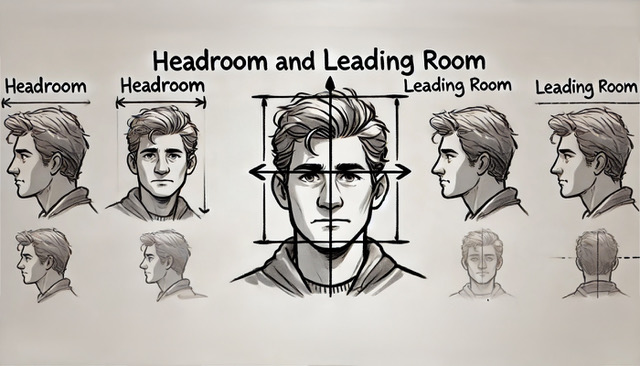
- Headroom refers to the space between the subject’s head and the top of the frame. Too much headroom can make a subject feel small and disconnected, while too little can feel claustrophobic.
- Leading Room is the space in front of a subject’s gaze or movement. Providing ample space in the direction a subject is looking or moving maintains a natural flow.
When to Break It:
Breaking these rules can create emotional impact. Cramped headroom can emphasize a character’s entrapment, while excessive space can highlight loneliness or insignificance.
Breaking the Rules: Creative Intent Over Technical Perfection
Rules of composition are essential for creating aesthetically pleasing and coherent images, but some of the most iconic shots in cinema break these rules with purpose. When done intentionally, rule-breaking can:
- Subvert expectations.
- Evoke psychological or emotional responses.
- Reinforce themes and storytelling.
Directors like Alfred Hitchcock, Quentin Tarantino, and Andrei Tarkovsky have all masterfully broken composition rules to create visually unforgettable scenes.
Final Thoughts: Learn the Rules to Break Them Effectively
Mastering shot composition isn’t just about following guidelines—it’s about understanding why they work and when to push boundaries. By balancing technical knowledge with creative instinct, filmmakers can craft visually stunning and emotionally powerful scenes that resonate with audiences.
Whether you’re adhering to the Rule of Thirds, playing with balance, or deliberately breaking conventions, composition is a powerful tool that shapes the way stories are told on screen. Experiment, analyze, and most importantly—use composition with intention.
What are your favorite examples of composition in filmmaking? Share them in the comments below!
